
A large casino lobby can make game choice harder rather than easier. When several thousand titles span classic slots, jackpots, instant games and provider catalogues, a focused discovery method helps you spend less time scrolling and more time comparing games on their actual characteristics. The spinsy online casino catalogue provides search tools, categories, provider filters and demo-play options, giving Canadian players several practical ways to reduce the list before deciding which titles deserve closer attention.
Start with the game style, not the title
The quickest way to make a broad lobby manageable is to decide what kind of experience you want first. Slots are usually the natural starting point for reel-based play, while instant games may suit someone who prefers a simpler, faster format. Jackpot games focus on prize-pool mechanics, and table games move away from reels entirely through formats such as roulette, blackjack or baccarat.
Within slots, the visual theme should be treated as a secondary filter rather than the main decision. A title may look appealing because of its artwork, but the more useful questions concern the number of reels, bonus-round structure, winning combinations and whether the game has a straightforward or feature-heavy design. Looking at those elements prevents a familiar theme from becoming the only reason a game enters your shortlist.
The lobby’s sections can provide a useful first pass. “New” may help you discover recent releases, while “Popular” and “Top” show what is receiving attention on the platform. “Exclusive” titles can be worth examining separately, but a label does not establish that a game has better odds or greater value. Treat categories as navigation aids, not recommendations or guarantees.
Use filters to turn thousands of titles into a shortlist
Once you have chosen a broad style, combine the available tools instead of relying on one filter. Search is useful when you already know a title or provider. Category filters can separate slots from live games, table games, jackpots and instant games. Provider filters are particularly helpful when you have encountered a developer whose visual style or mechanics you already understand.
A practical shortlist might contain five to ten games rather than every title matching a broad category. For each candidate, note the game’s provider, format and any visible information about its features. You can then compare titles on a consistent basis instead of opening games randomly. This approach is also useful when a lobby mixes well-known releases with less familiar catalogue entries.
Demo play can help you learn the interface, bonus-round instructions and general pace without immediately committing funds. It cannot establish that a short session reflects long-term returns, volatility or the frequency of particular outcomes. Use it as an orientation tool: check whether the controls are clear, whether the presentation suits you and whether the game’s rules are understandable before making any further decision.
What should you compare between similar slots?
Two games can share a theme and still offer very different playing experiences. Compare the reel layout, paylines or ways-to-win system, wild symbols, scatters, multipliers and bonus features shown in the information panel. Some games keep the base round simple and reserve most activity for a feature round; others introduce cascading wins, expanding symbols or repeated modifiers during ordinary spins.
Volatility is another consideration, where the game provides an explanation or recognised indicator. Lower-volatility games may produce smaller outcomes more often, while higher-volatility games can involve longer gaps between notable wins and more uneven results. Neither description makes a title automatically preferable. It simply helps you match expectations with the type of session you intend to have.
Pay attention to the rules and displayed return information, but do not confuse published theoretical figures with a promise about a personal session. A game’s long-run mathematics does not predict the next few spins. It is also sensible to compare maximum stake settings, autoplay availability and the clarity of the help screen, particularly when playing on a smaller mobile display.
When is a provider filter genuinely useful?
Provider filters are most useful when you want consistency in presentation or mechanics. The catalogue includes developers such as Hacksaw Gaming, Amusnet, BGaming, Booongo, Spinomenal, Yggdrasil, Amatic, Oryx, Evoplay and several others. Browsing one provider at a time can reveal related games without forcing you to search the entire lobby repeatedly.
However, a provider name should not be treated as a quality rating. A single developer can publish games with different themes, volatility profiles, bonus structures and technical requirements. If you enjoy one title from a provider, use that experience to generate candidates, then inspect each new game independently. Familiar branding can narrow the search, but it should not replace reading the rules.
Discovery is also a good point to consider how gambling fits into your wider plans. Canada’s problem gambling information from CAMH explains warning signs and support considerations without evaluating any particular operator or game. A useful personal rule is to decide a time and spending boundary before browsing, rather than allowing an attractive feature or near miss to set the pace.
Choose a format that fits the way you play
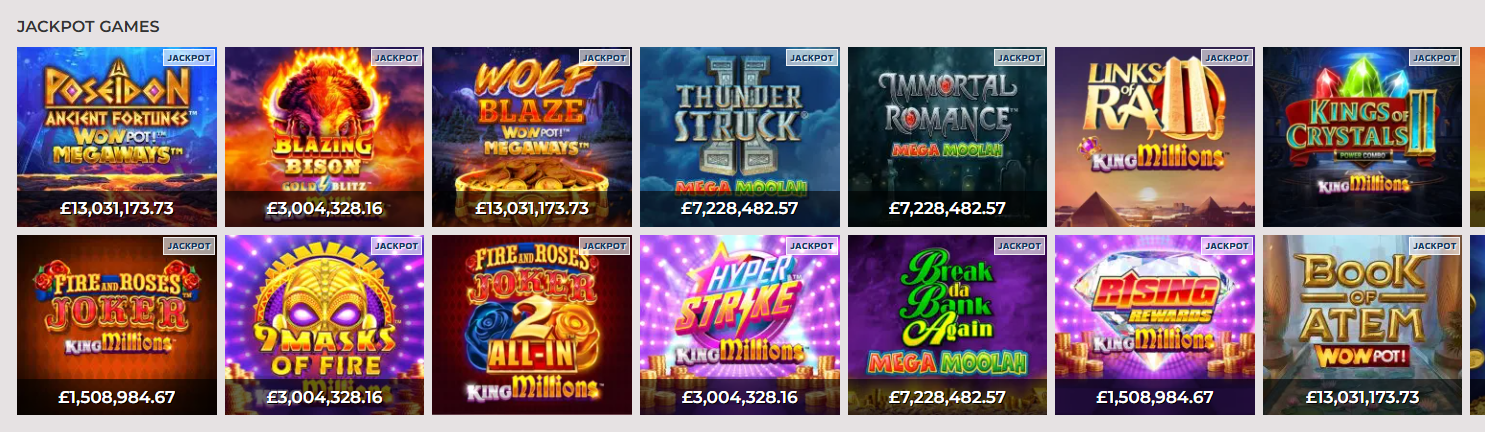
Not every casino visit needs to centre on slots. Someone who enjoys immediate outcomes may prefer instant games, while another player may value the slower decisions involved in blackjack or baccarat. Live casino categories add streamed dealer tables, and game-show formats such as Crazy Time, Mega Ball and Deal or No Deal create a more television-style experience.
For players who specifically want reel-based games, the best choice may depend on how much complexity feels comfortable. A classic layout can be easier to follow, whereas a modern slot may offer several layers of symbols, modifiers and bonus stages. Neither approach is inherently better. The useful distinction is whether you can understand the rules and remain comfortable with the pace.
Before moving from discovery to real-money play, review the game information and your own limits. Check the stake controls, understand how features are triggered and avoid assuming that a popular, new or exclusive label changes the odds. If the lobby feels overwhelming, return to one category, one provider or one mechanic and build a smaller shortlist rather than trying to inspect everything at once.
Questions Canadian players often ask about game discovery
Can I search for a specific slot without browsing the whole lobby?
Yes. The lobby includes a search function, so a known title or provider can be located directly. Search is most effective when you already have a name in mind. If you are exploring, combine category and provider filters first, then use search to compare a smaller group of related games.
Does demo play show whether a slot will win?
No. Demo play can show the controls, rules, visual flow and bonus features, but a short session cannot verify long-term returns, volatility or future outcomes. Use it to decide whether a game is understandable and enjoyable to navigate, not as evidence that real-money results will follow the same pattern.
Are popular or new games automatically better choices?
No. Popularity and novelty are useful discovery labels, but they do not prove better odds, lower risk or greater value. Read the game information, compare mechanics and consider whether the format suits your preferences. A less prominent title may be a better fit simply because its pace and rules are clearer.